Category: Women’s Homeownership
-
Honoring Black History Month: Business Ownership
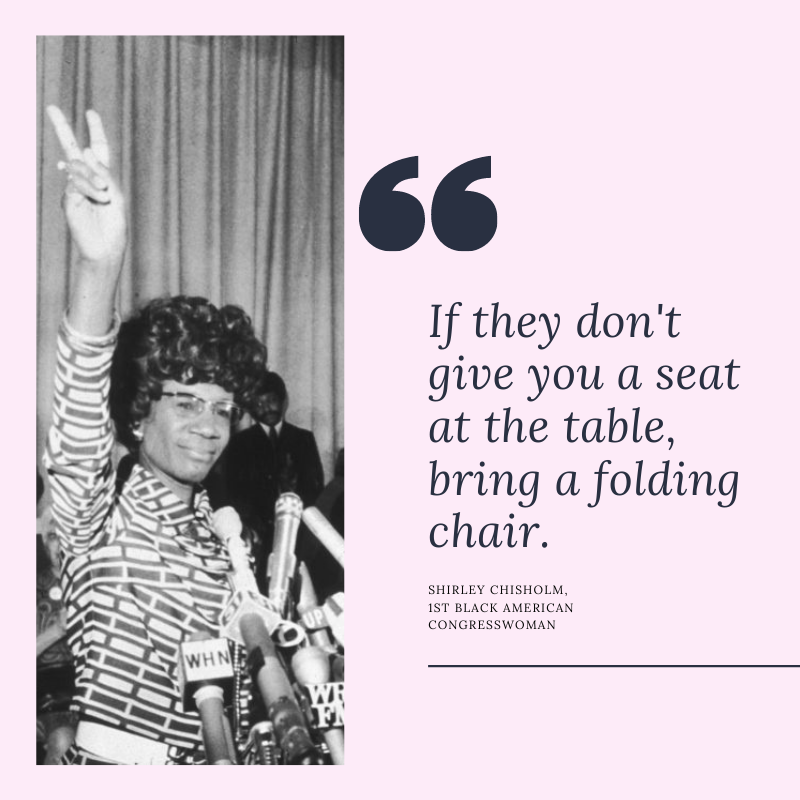
DID YOU KNOW? There are 2,681,200 African American Women-Owned Businesses which make up 21 percent of all women-owned businesses. However, “the gap between African American women-owned businesses’ average revenue and all women-owned businesses is the greatest” (Volume III: Business Ownership, NAWRB WHER). According to the American Express report, while the number of women-owned businesses grew…
-

Homeownership Day 2021!
Join NAWRB as we co-host this year’s virtual Homeownership Day on January 23rd at 10am PST on Zoom! Homeownership Day will help you find your Happy Place, with timely information about owning property, inside tips on area nuances, all from experts who won’t pitch or pressure. We encourage anyone curious about real estate to attend…
-

Three Ways to Increase Your Longevity in Real Estate
The real estate industry can be difficult to navigate for new agents. The success rate is not very high with about 90 percent of agents failing in their first five years. That means nine out of every 10 new agents can expect to fail in the industry. A part of being a successful real estate…
-

The Future of Real Estate Investment: Opportunity Zones
According to the 2017 Distressed Communities Index by the Economic Innovation Group, one in six Americans, approximately 17 percent of the population, live in economically-distressed communities, and the average state has 15.2 percent of its population living in these struggling areas. The new Opportunity Zone (OZ) tax incentive was created as part of the 2017…
-
How the Passing of Bill SB 826 Stands to Disrupt California Real Estate Businesses
In September, California Governor Jerry Brown signed the SB 826 bill into law, a landmark legislation requiring female representation on corporate boards. Specifically, the bill requires that at least one woman be on the board of publicly-held companies in California by year-end 2019. Despite concerns over its potential efficacy, the bill is an important step…
-
The Hispanic Potential Buying Power of 1.7 Trillion Dollars
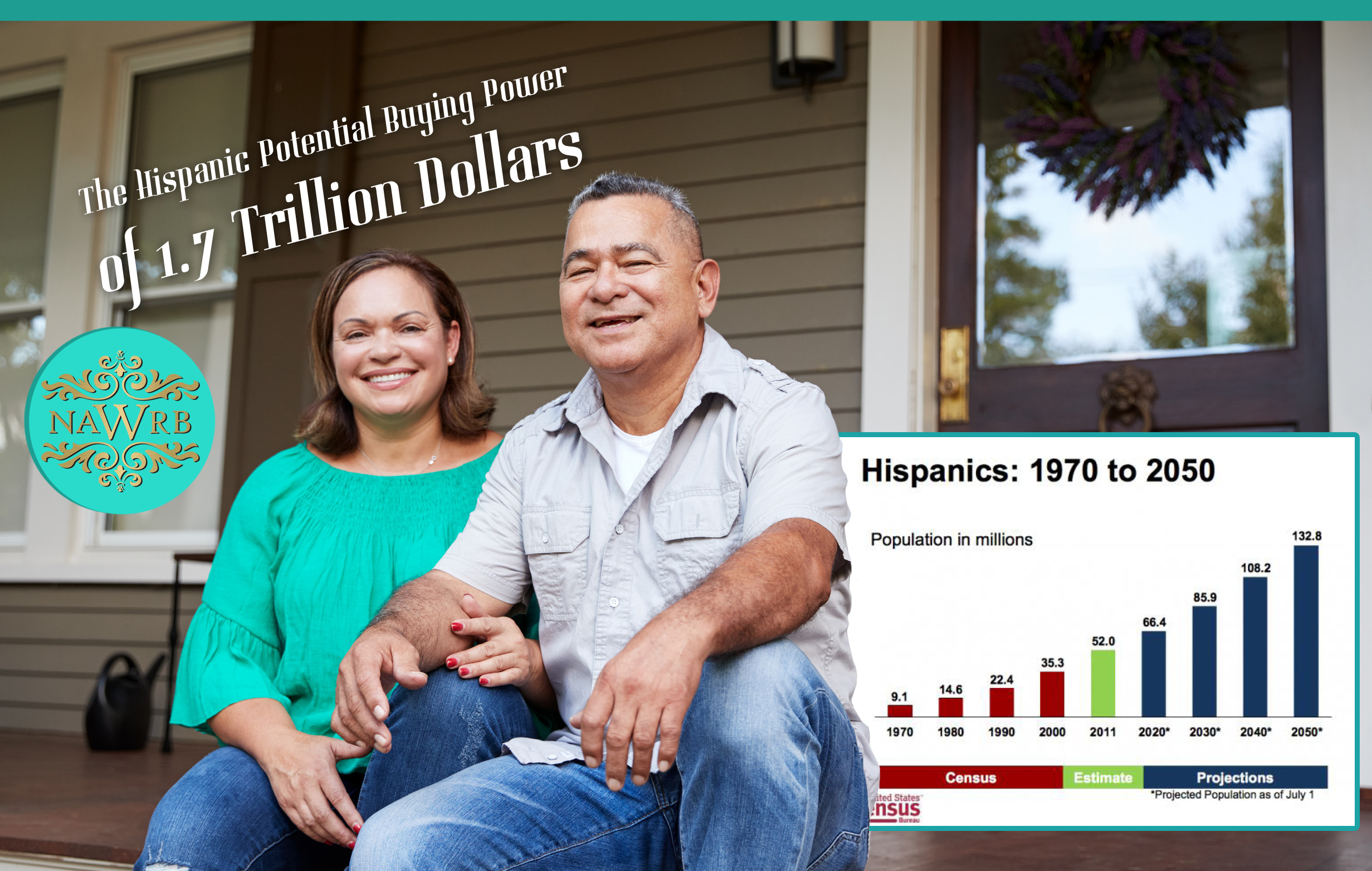
The goal of every business is to make a profit and the real estate industry is no different. An often undermined market is the Hispanic and this article will help you uncover the potential within the Hispanic market that most overlook, which means millions of dollars for businesses looking to invest in this market. Tap…
-
Unspoken Issues Impacting Women: Poverty, Health, Sexual Exploitation and Self-Confidence
—
by
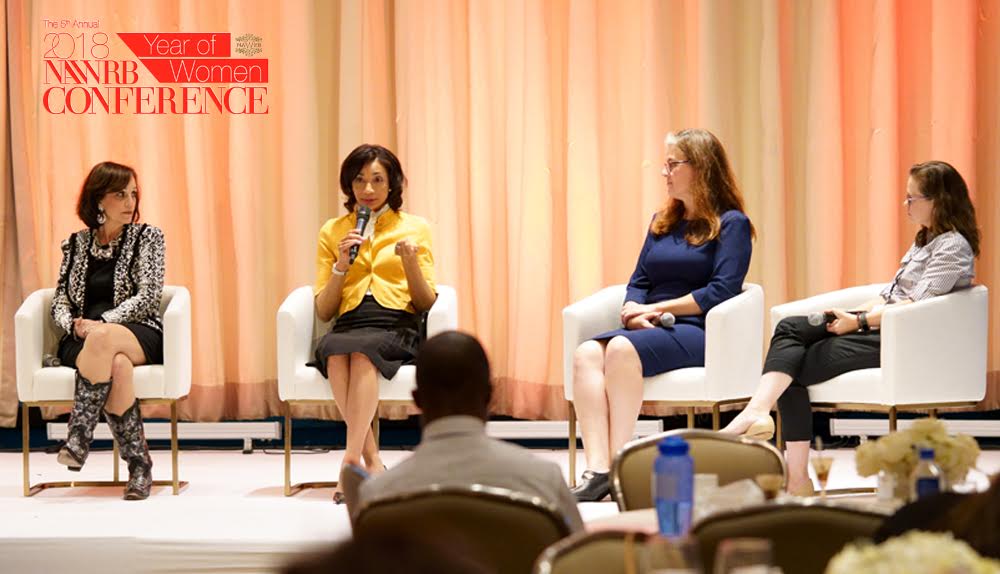
From its title alone, you can tell this panel was a little different from the others. Wide-ranging in scope, yet narrow in its focus on issues that derail women from advancing in life, the conversations held on stage focused on topics people are sometimes uncomfortable talking about including sexual exploitation and poverty.
-

Settling Up in Cincinnati, a Top City for Single Women Homebuyers
June is National Homeownership Month. This article is part of an ongoing series focusing on different aspects of women’s homeownership. Single Women Outpace Men in Homeownership In our 2018 Women in the Housing and Ecosystem Report, we found women have outpaced single men in homeownership consistently since 1986. This trend has most likely…
-

One Tough Mother: How Single Mothers are Defining the Homebuying Process
June is National Homeownership Month. This article is part of an ongoing series focusing on aspects of women’s homeownership. “Despite the stereotypes that insist women care more about marriage than men do, it may actually be the single life that women embrace more than men,” says Professor Bella DePaulo, social scientist, author, and expert on…